Poco F7 Pro review
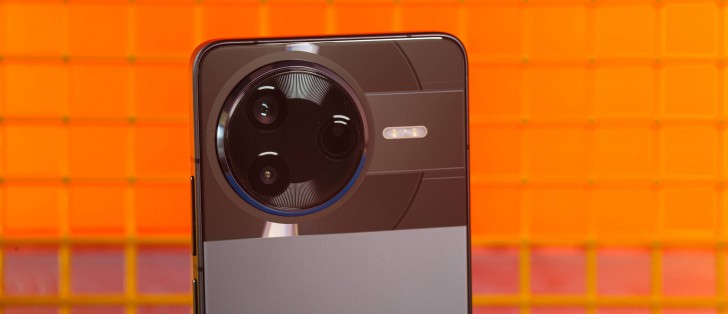
Android 15 and HyperOS 2
The Poco F7 Pro runs Android 15, augmented by Xiaomi HyperOS, v. 2 (on the 'for POCO' software branch). The update policy comes with a promise for 4 major OS version updates in the future, while the security patch coverage should be 6 years.
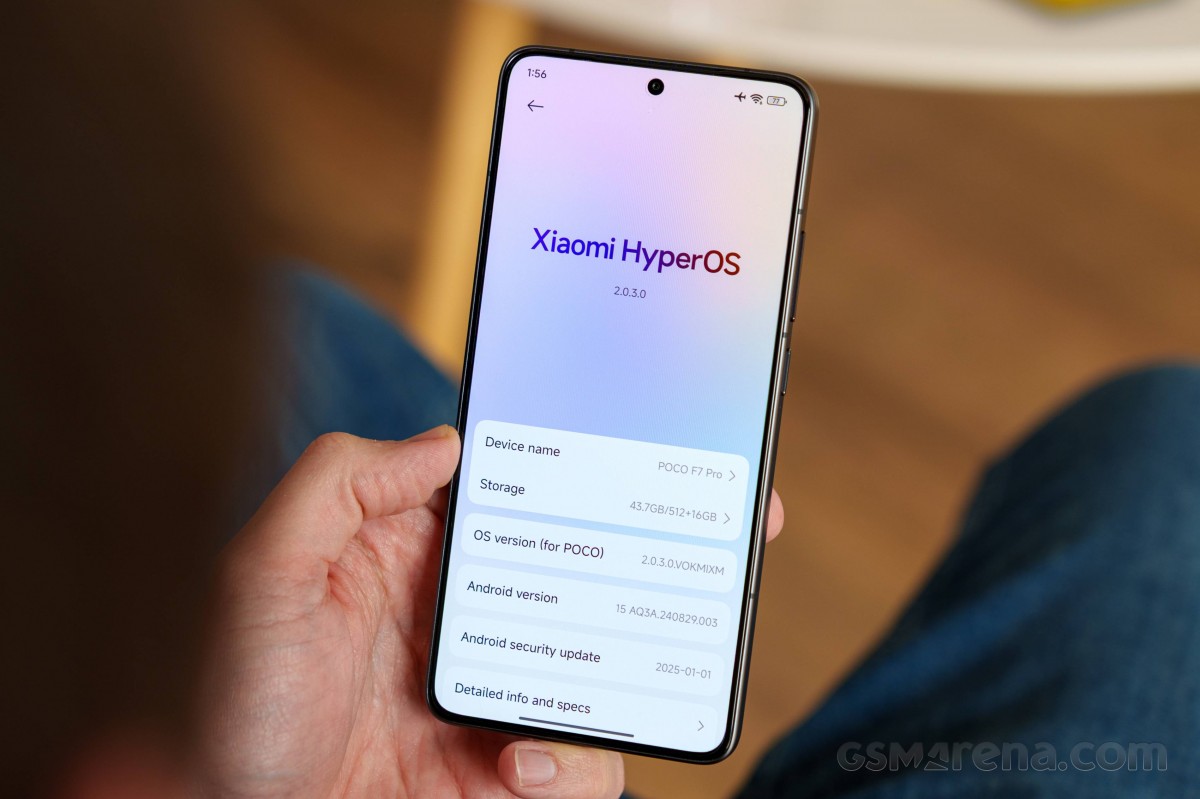
Pro or Ultra, the new Poco F7s' software is looking very much alike, and it's also very similar to the Xiaomi 15s recently. The usual version continuity can be observed and the general sense of being in a familiar place if you've used a Xiaomi or a Poco in recent times.
A few of the icons are specific to the 'Poco' builds, but there's not a whole lot else that's different from the 'regular' Xiaomis. The full suite of new Xiaomi AI tricks is on board as well.
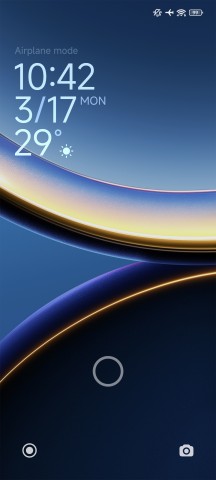
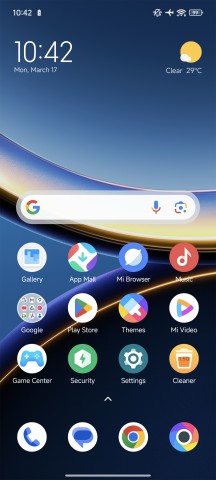
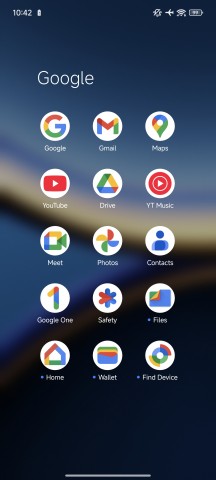
HyperOS 2.0 on the Poco F7 Pro
The Poco F7 Pro gives you the option for an app drawer, but you can also choose to have everything on the homescreens. Some software branches don't let you have the app drawer - more often on Pocos of the past, but we appreciate seeing that option here. The third, "Lite" UX option that makes icons bigger and things a bit more accessible seems to be missing though.
HyperOS 2 has separate Notifications and Control center pages with no option for a joint interface for the two. The homescreens support apps and widgets, as well as two flavors of large folders. The -1 homescreen can be Google Discover, but also Xiaomi's App Vault (that last one was missing on the Xiaomi 15).
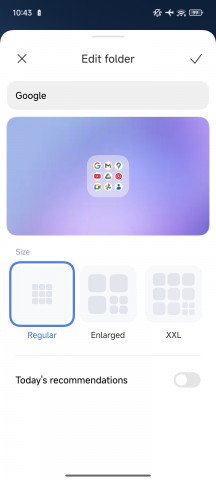
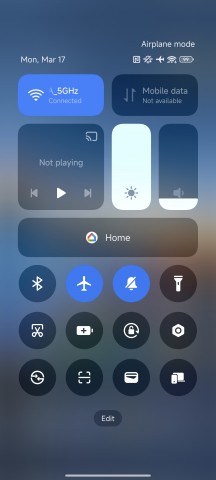
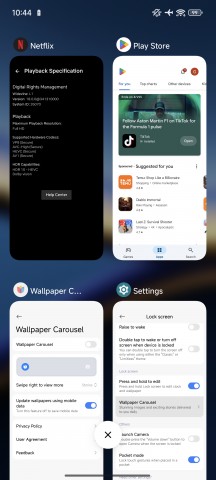
More HyperOS 2.0
Then there's the AI functionality, and the Poco doesn't appear to be missing anything we saw on the Xiaomi flagships.
Sure enough, there's Google Gemini. You can ask Gemini to do a bunch of different things and even make entire conversations. You can also have it create images for you. Circle to Search is available system-wide as well.
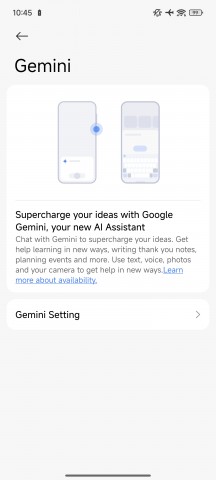
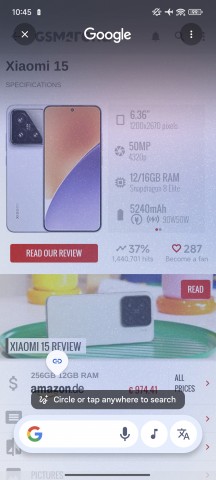
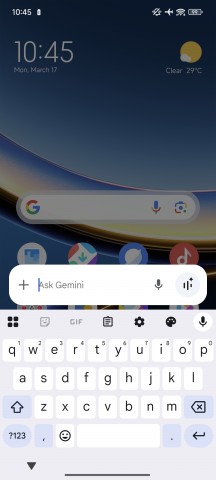
Gemini • Gemini • Circle to Search
Beyond the generic Gemini stuff, there are plenty of in-house AI features. They're all neatly organized and bundled together in the Xiaomi HyperAI menu in Settings for explanation purposes. You still have to access the features themselves from their respective apps and locations, but it is very convenient to actually have a central location where everything is nicely laid out.
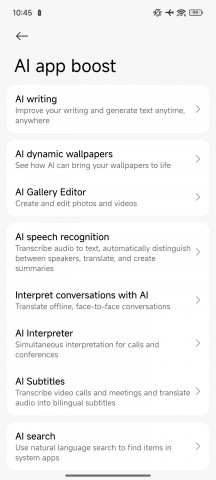
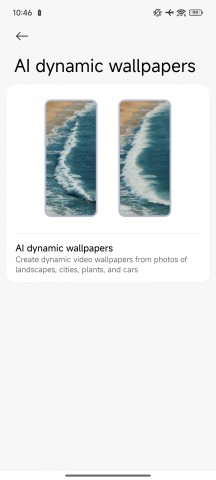
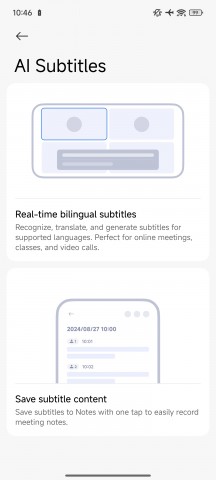
AI stuff
The Notes app can do a host of text transformations and you can do translation, proofreading, summary and AI layout.
The Recorder app can do automatic transcription with speaker detection and separation, and you can translate the transcriptions. You can enable system-wide AI subtitles for multimedia consumption. There is also an AI interpreter that can do both face-to-face translation and call translation.
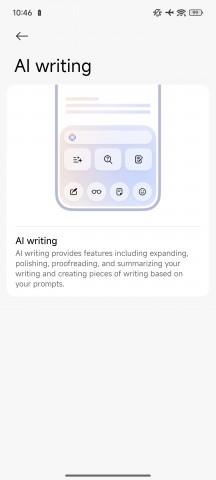
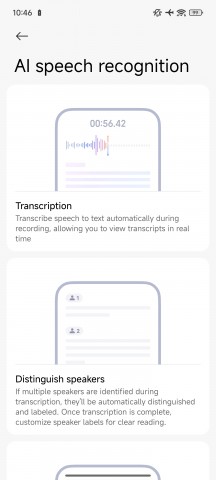
More AI stuff
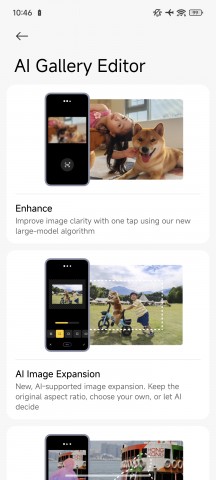
There's a whole lot of AI based image editing features in the gallery. There's an object/people remover, you can remove reflections, do content-aware expansion, or change how the sky looks in your shots.
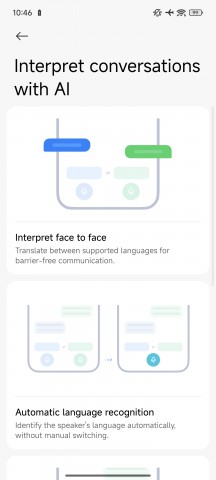

AI image editing features
Performance and benchmarks
The F7 Pro is no Ultra so it doesn't get the Snapdragon 8 Elite, but the Pro moniker does qualify it for last year's Snapdragon 8 Gen 3 - sure, it's a year behind the state of the art, but it's a proper flagship chipset nonetheless.
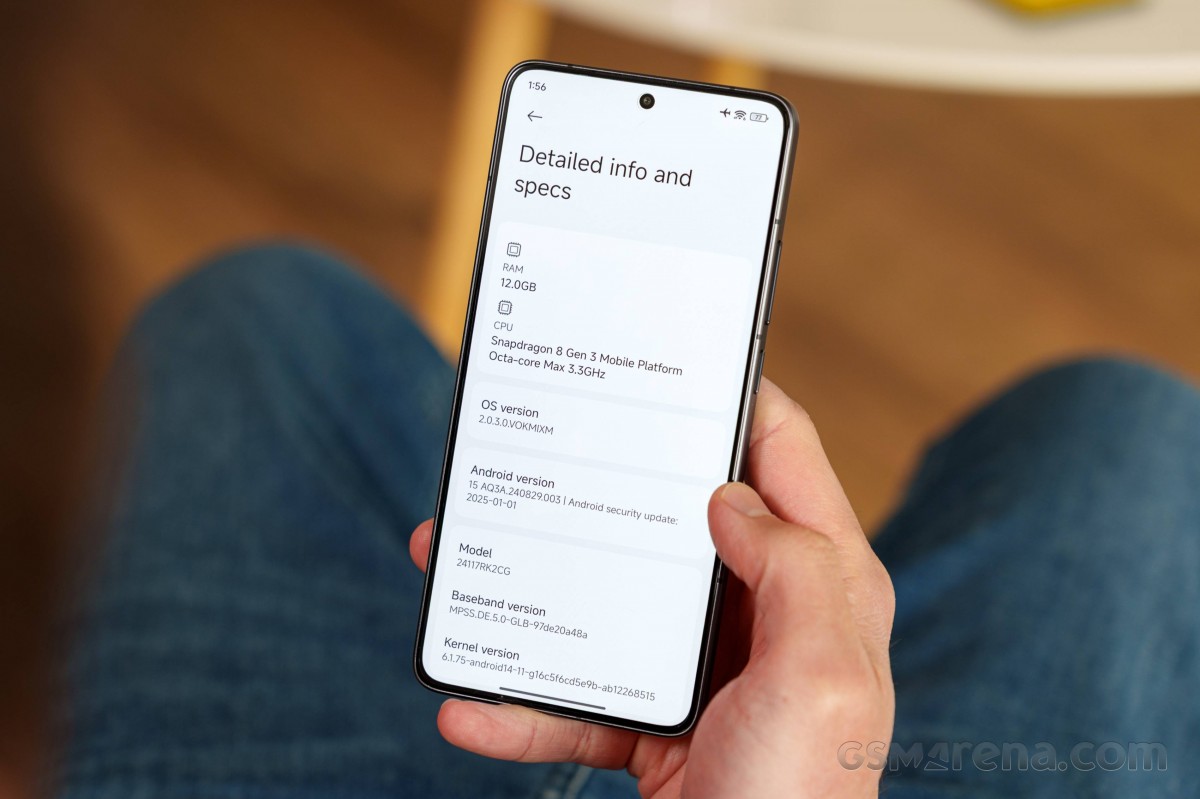
The F7 Pro doesn't get a 16GB RAM version like the Ultra does - it's 12GB of RAM for both the 256GB and 512GB (as reviewed) storage options. Maybe not all markets will get both versions, but also there may end up being other variants here or there.
In benchmarks, the F7 Pro does well - it scores roughly on par with other models that use the same chipset and it's a noticeable step up from the previous generation Poco Pro. The F7 Ultra with its Snapdragon 8 Elite is a better option if you're after ultimate performance, but the F7 Pro is still plenty powerful and will be so for a few more years.
GeekBench 6
- Multi-core
- Single-core
 Poco F7 Ultra
 Xiaomi 14T Pro
 Xiaomi 14
 OnePlus 13R
 Poco F7 Pro
 Galaxy S24 FE
 Poco F6 Pro

AnTuTu 10
Poco F7 Ultra
OnePlus 13R
Poco F7 Pro
Xiaomi 14T Pro
Xiaomi 14
Poco F6 Pro
Galaxy S24 FE
3DMark
- Wild Life Extreme (2160p)
- Solar Bay (1440p)
Poco F7 Ultra
OnePlus 13R
Poco F7 Pro
Xiaomi 14
Xiaomi 14T Pro
Galaxy S24 FE
 Xiaomi 14T
Under prolonged load, we recorded a very stable behavior from the F7 Pro's CPU. There was only a momentary blip down to 40-ish % spoiling what would otherwise have been a steady graph above 80% of the initial performance. The GPU stability wasn't as praiseworthy, the 3DMark Wild Life Extreme stress test returning a 58% stability rating.
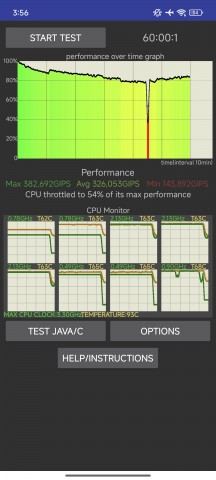
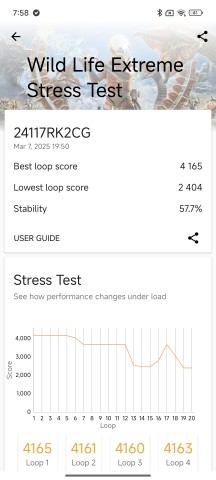
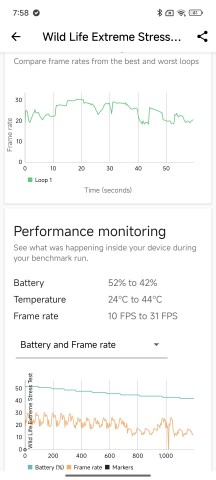
CPU Throttling test • 3DMark Wildlife Extreme stress test
Reader comments
- Anonymous
- 21 Apr 2025
- MRT
When you buy a phone or tablet you'd have been given the option of getting or not the charger, especially knowing fast charging technology is propietary of each brand.
- SkyFX
- 15 Apr 2025
- mcB
EU's Common Charger Directive demanded universal plug and charging, but said nothing about the speed or charging protocols. If it hadn't been for the EU, you would've gotten the charger in the box - for free. Instead now you're ...
- ssssss
- 11 Apr 2025
- U@A
Still no LTPO screen